
Beginner Guide to Bullet Journaling: Organize Your Life Creatively
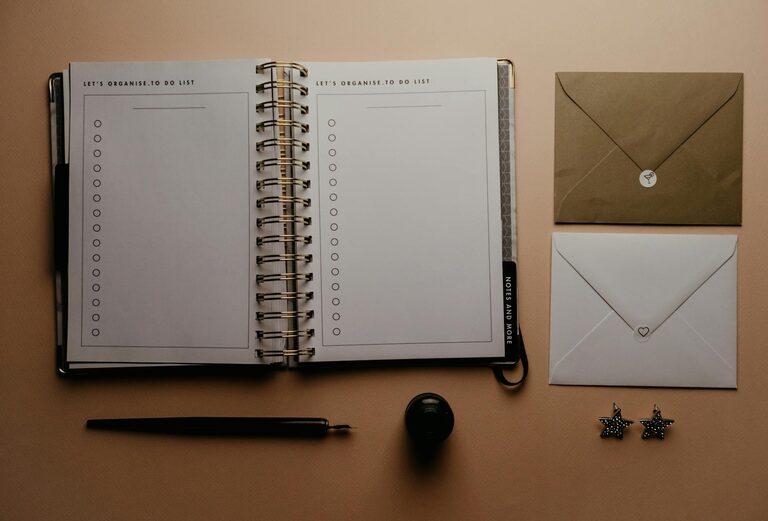
Bullet journaling has become a popular method for organizing tasks, tracking habits, and unleashing creativity in one simple notebook. Whether you’re looking to keep your daily schedule, set goals, or just cultivate a calming hobby, bullet journaling offers a flexible system that you can adapt to your needs. In this beginner guide, we’ll explore what bullet journaling is, what you need to get started, and tips for making the most out of your journal.
What is Bullet Journaling?
Bullet journaling, often called “BuJo,” is a customizable planner and organizational system created by Ryder Carroll. It combines elements of a to-do list, diary, and planner into one notebook, using bullets and symbols to quickly log information.
The key features include:
– Rapid Logging: Using short, concise notes and symbols to record tasks, events, or ideas.
– Collections: Grouped lists or notes on a specific topic (e.g., books to read, goals, habits).
– Index: A table of contents to easily find sections or pages.
– Migration: Regularly reviewing and moving unfinished tasks forward to stay on track.
What You Need to Start
The beauty of bullet journaling is that it doesn’t require any fancy supplies. Here’s what you’ll need:
Essential Supplies
- **Notebook:** Any notebook will do, but many prefer dot grid notebooks as they offer structure without being intrusive.
- **Pen:** Choose a pen that feels comfortable for writing. Some people use fineliners or gel pens for smoother lines.
- **Ruler (optional):** Handy for drawing straight lines if you want a cleaner look.
- **Colored pens or markers (optional):** For adding color or creative elements.
Choosing Your Notebook
– Size: Consider where and how often you’ll use it—pocket-sized notebooks are portable, while larger ones offer more space.
– Paper Quality: If you use markers or brush pens, ensure the paper prevents bleed-through.
– Layout: Dot grids, grids, lined, or blank—pick what helps your style best.
Setting Up Your First Bullet Journal
1. Create an Index
Reserve the first few pages for the index. As you fill your journal with collections and logs, you’ll add page numbers here to help you find things later.
2. Number Your Pages
Number every page in your notebook or use a notebook with pre-numbered pages.
3. Future Log
This is a place to jot down important dates, events, or goals for the upcoming months. Divide a page into sections by month and note anything you want to remember.
4. Monthly Log
Each month, create a calendar or list view to plan your tasks and appointments. This helps identify your priorities and deadlines.
5. Daily Log
The core of bullet journaling. Each day, jot down tasks, events, or notes using symbols to mark their status:
– • Task
– ○ Event
– – Note
– X Completed task
– > Migrated task
– < Scheduled task
Keeping these symbols consistent makes scanning your pages easier.
6. Collections
These are specially themed lists or pages like:
– Habit trackers
– Reading lists
– Meal plans
– Goal breakdowns
Make collections as simple or elaborate as you like.
Tips for Success as a Beginner
– Keep it Simple: Don’t worry about creating elaborate designs right away. Focus on functionality.
– Set Realistic Goals: Use your bullet journal to create achievable tasks. Overloading can lead to frustration.
– Experiment: Try different layouts and spreads until you find what works.
– Review Regularly: At the end of each day or week, review tasks, migrate unfinished ones.
– Add Creativity Slowly: Use colors or doodles to personalize your journal, but only if you enjoy it.
Common Mistakes to Avoid
– Comparing with Others: Everyone’s bullet journal looks different. Your journal is personal.
– Over-Complicating: Bullet journaling is about simplicity and efficiency.
– Not Using the Index: Keeping it updated saves you time finding information.
– Skipping Migration: Moving unfinished tasks is key for staying organized.
Benefits of Bullet Journaling
– Improves productivity by organizing tasks clearly.
– Encourages mindfulness through daily reflections.
– Sparks creativity and personal expression.
– Helps track habits and progress toward goals.
– Reduces digital clutter and screen time.
Final Thoughts
Starting a bullet journal can be a rewarding way to bring order to your daily life while nurturing creativity. With just a notebook and pen, you can design a system that fits you perfectly. Remember, it’s your journal—there are no strict rules, so have fun exploring what works best for you.
Give bullet journaling a try and enjoy the process of turning blank pages into an organized, inspiring space for your thoughts and plans!