
How to Create a Relaxing Home Workspace for Better Focus
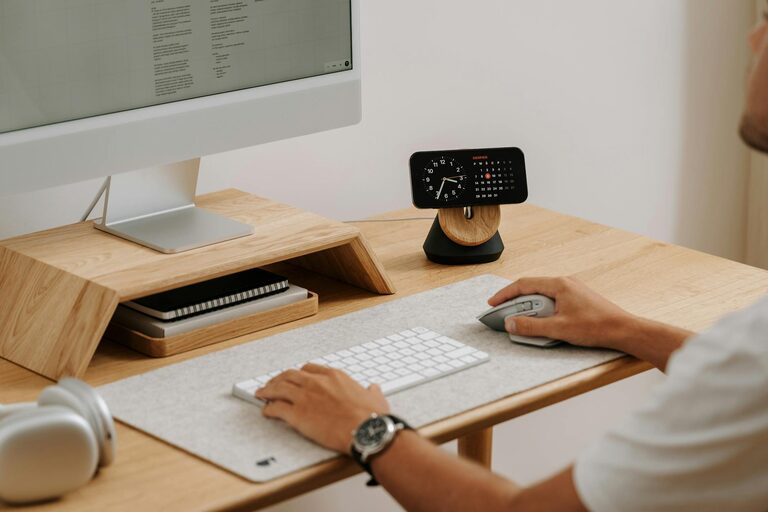
Creating a relaxing home workspace is essential for maintaining focus, reducing stress, and boosting productivity. Whether you work from home full-time or occasionally, a well-designed space can make a big difference in your daily experience. In this post, we’ll explore practical steps to help you set up a calm and inviting environment tailored to your needs.
Why a Relaxing Workspace Matters
Your workspace environment directly impacts your mood and efficiency. A cluttered, chaotic area can cause distractions and fatigue, while a serene and organized spot encourages clear thinking and creativity. Designing a relaxing home workspace helps you:
– Reduce stress and anxiety
– Improve concentration and productivity
– Maintain a healthy work-life balance
– Enhance creativity and motivation
Choosing the Right Location
Prioritize Natural Light
Whenever possible, set up your workspace near a window. Natural light improves mood, reduces eye strain, and helps regulate your sleep cycles. Position your desk perpendicular to the window to avoid glare on your screen.
Consider Noise Levels
Select a quiet area where household noises are minimal. If silence isn’t possible, consider white noise machines, soft music, or noise-canceling headphones to maintain focus.
Define Personal Boundaries
Choose a spot that feels separate from your relaxation or sleeping areas. This physical boundary helps you mentally switch into work mode and discourages distractions.
Organizing Your Workspace
Declutter Regularly
Keep only essential items on your desk. Excess stuff can overwhelm and distract you. Use organizers, trays, or drawers to store supplies neatly out of sight.
Use Ergonomic Furniture
Invest in a comfortable chair with proper lumbar support. Your desk should allow your wrists and forearms to rest comfortably while typing to avoid strain.
Keep Cables Tidy
Cable clutter can look messy and limit your workspace. Use clips or sleeves to group wires neatly, freeing up space and improving safety.
Adding Calming Elements
Incorporate Greenery
Plants not only improve air quality but also add a touch of nature, which has a soothing effect. Choose low-maintenance plants like succulents or snake plants if you don’t have a green thumb.
Choose Relaxing Colors
Soft, neutral tones such as light blues, greens, or beige create a peaceful atmosphere. You can add color accents through accessories like cushions or wall art to keep the space lively but calm.
Use Comfortable Lighting
In addition to natural light, include soft artificial lighting like desk lamps with adjustable brightness. Avoid harsh overhead lights that can strain your eyes.
Personalizing Your Space
Add Inspiring Decor
Frame motivational quotes or personal photos to create a space that feels uniquely yours. This can boost your mood and remind you of your goals.
Use Aromatherapy
Consider a subtle essential oil diffuser with scents like lavender or eucalyptus to create a calming ambiance without overpowering the room.
Play Background Sounds
If silence feels too isolating, try gentle instrumental music or nature sounds, which help maintain focus and reduce stress.
Maintaining Work-Life Balance
Set Clear Work Hours
Define when your workday starts and ends. Having a routine helps your mind distinguish between work time and relaxation time.
Take Regular Breaks
Schedule short breaks to stand, stretch, or walk around. Breaks prevent burnout and keep your energy levels stable.
Keep Workspace Clean
Spend a few minutes each day tidying your area. A neat environment reflects a clear mind.
Technology Tips for a Smooth Workflow
Optimize Your Screen Setup
Position your monitor at eye level to prevent neck strain. Adjust brightness and contrast for comfortable viewing.
Use Wireless Devices
Wireless keyboards and mice reduce cable clutter and allow flexible movement.
Backup Important Files
Use cloud storage or external drives to keep your work secure and organized.
Final Thoughts
Creating a relaxing home workspace doesn’t require a large budget or a lot of time. Small changes like adding plants, improving lighting, and organizing your desk can make a significant impact on your workday. By cultivating a calm environment, you’ll find it easier to focus, reduce stress, and enjoy your work-from-home experience.
Start with one or two ideas from this guide today and notice the positive difference in your productivity and well-being!