
Tips for Choosing Comfortable Home Lighting That Enhances Your Space
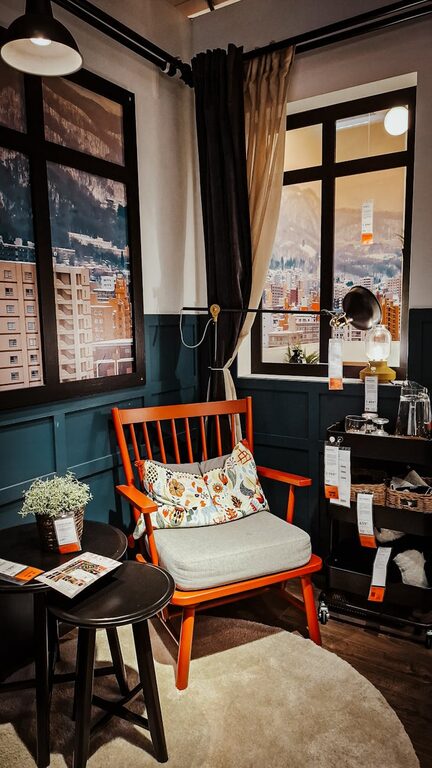
Creating a comfortable living space goes beyond choosing the right furniture or paint colors. One of the most impactful elements that affect how your home feels is lighting. Proper lighting can transform a room, improve your mood, and even increase productivity. But with so many options—from bulbs to fixtures—how do you choose lighting that’s both comfortable and practical?
In this post, we’ll guide you through essential tips for selecting home lighting that suits your lifestyle while making your rooms warm and inviting.
Understanding Comfortable Home Lighting
Comfortable lighting generally means light that is easy on the eyes, suits the room’s purpose, and enhances the atmosphere without causing glare or harsh shadows. It’s a balance of brightness, color temperature, and placement.
Before buying bulbs or fixtures, think about how you use each room and what you want from your lighting.
1. Choose the Right Brightness Level
Brightness is measured in lumens, which tell you how much light a bulb emits.
– Living rooms and bedrooms: Softer, dimmer lights help create a relaxing ambiance. Aim for 1,500–3,000 lumens for general lighting.
– Kitchens and work areas: Brighter lighting is better for tasks. Consider 4,000–8,000 lumens for these spaces.
– Bathrooms: A mix of bright mirror lighting and softer overhead lights works well.
When shopping, check the lumen rating rather than wattage alone since LED bulbs produce more light with less energy.
2. Pick a Comfortable Color Temperature
Color temperature affects the mood of the room, measured in Kelvins (K).
– Warm light (2700K–3000K): Creates a cozy, inviting feel ideal for bedrooms and living rooms.
– Neutral light (3500K–4100K): Good for kitchens and bathrooms where you need natural visibility.
– Cool light (5000K–6500K): Mimics daylight, suitable for workspaces but may feel harsh for relaxing areas.
Choosing bulbs with adjustable color temperature can give you flexibility.
3. Layer Your Lighting
Relying on a single overhead fixture can leave a room feeling flat or uncomfortable. Instead, use layers of lighting:
– Ambient lighting: The main light source that fills the room.
– Task lighting: Focused lights for activities such as reading, cooking, or working.
– Accent lighting: Highlights artwork, plants, or architectural features to add depth.
Using lamps, under-cabinet lights, and sconces can help you create a balanced and comfortable atmosphere.
4. Consider Dimmers for Adjustable Light Levels
Installing dimmer switches allows you to control the intensity of your lights throughout the day. This flexibility is especially useful for living rooms, dining areas, and bedrooms where mood lighting changes.
Many LED bulbs are compatible with dimmers, but it’s essential to check before purchasing.
5. Choose Fixtures That Complement Your Space
Lighting fixtures contribute both functionality and style. While selecting comfortable lighting, don’t forget how fixtures fit with your decor and room size.
– In smaller rooms, avoid large, heavy fixtures that may overwhelm the space.
– Fixtures with shades or diffusers soften light and reduce glare.
– Floor and table lamps add warmth and flexibility, allowing you to move light as needed.
6. Mind Natural Light and Window Treatments
Natural light has a significant impact on comfort. Take advantage of daylight where possible. Consider these tips:
– Use sheer curtains to let light in while maintaining privacy.
– Place mirrors opposite windows to reflect light and brighten the room.
– Combine natural and artificial lights to avoid stark contrasts in the morning or evening.
7. Select Energy-Efficient Lighting Options
Comfortable lighting doesn’t have to come at a high cost. LED bulbs provide excellent light quality, last longer, and consume less energy than traditional bulbs.
Look for bulbs with the ENERGY STAR label and good color rendering index (CRI) — ideally above 80 — to ensure colors look natural.
8. Think About Eye Health and Safety
Harsh or poorly positioned lighting can cause eye strain and headaches.
– Avoid direct glare by positioning lamps so light isn’t shining directly into your eyes.
– Use diffusers or frosted bulb covers.
– For video calls or reading areas, choose balanced, soft light that reduces shadowing.
9. Experiment and Adjust
Comfortable lighting is personal. What feels warm and pleasant to one person may feel dull or too bright to another. Don’t hesitate to test different bulbs and fixtures, rearrange lamps, or adjust dimmers until you find the perfect setting.
Many modern smart bulbs allow you to adjust brightness and color temperature right from your phone, making experimentation easy.
Final Thoughts
Choosing comfortable home lighting involves considering brightness, color temperature, layering, and fixture style. By planning your lighting thoughtfully, you enhance your home’s atmosphere and ensure spaces are both inviting and practical.
Take your time exploring options, and incorporate flexibility through dimmers and adjustable bulbs. With the right lighting, your home can feel more comfortable and welcoming every day.